
Industrial Biologization Partner
The Future Is Bright, and the Future Is Very Much Biotechnology
Aroma Biotech
30+ years of biotech innovation by Dr. Duong Qua Aita and Aroma Enzymes.

- Full-cycle enzyme development and production
- Custom biotech R&D and supply chain solutions
- Operating in Japan and Vietnam
Executive Summary
Executive Summary
Since the 1990s, Aroma Biotech has replaced chemical processes with biosolutions that reduce energy, eliminate toxic chemicals, and preserve natural resources.
- What we do: bio-based products and process technologies, full enzyme solution
- How we deliver: R&D, custom enzymes, in-house incubator projects
- Why we win: broad expertise + agile, cross-functional teams
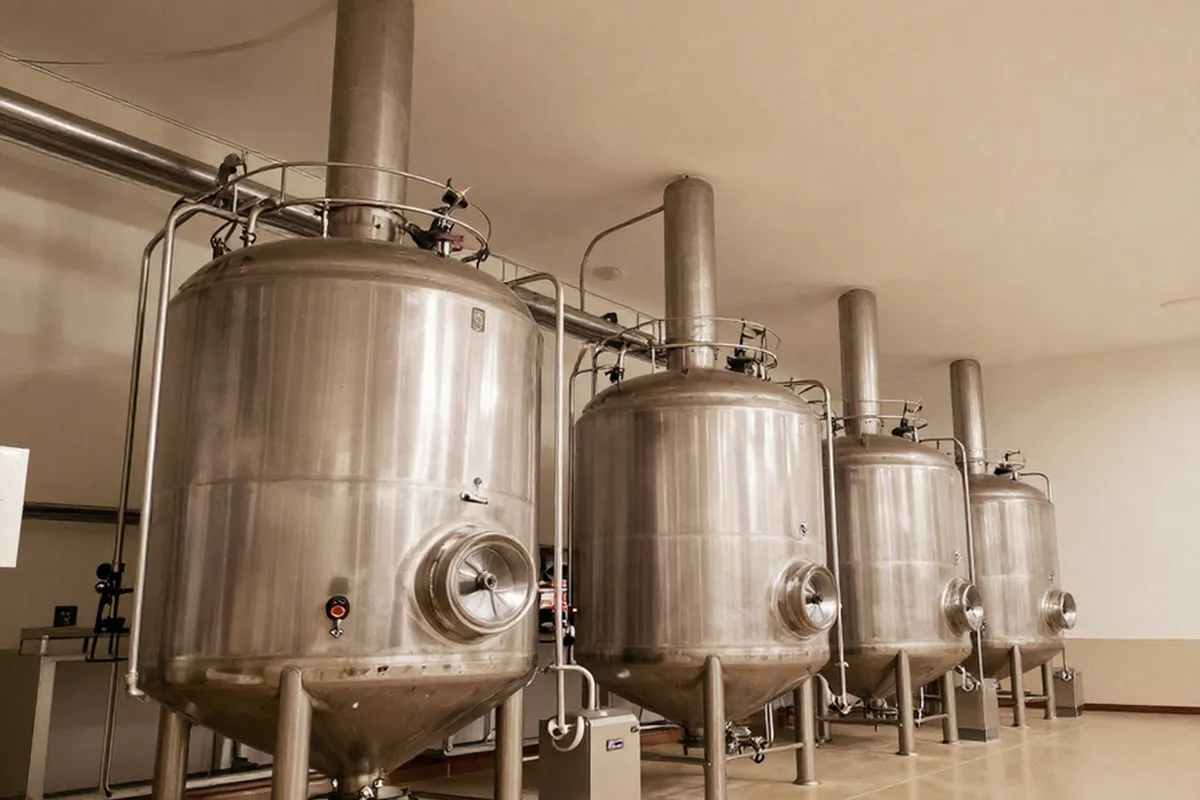
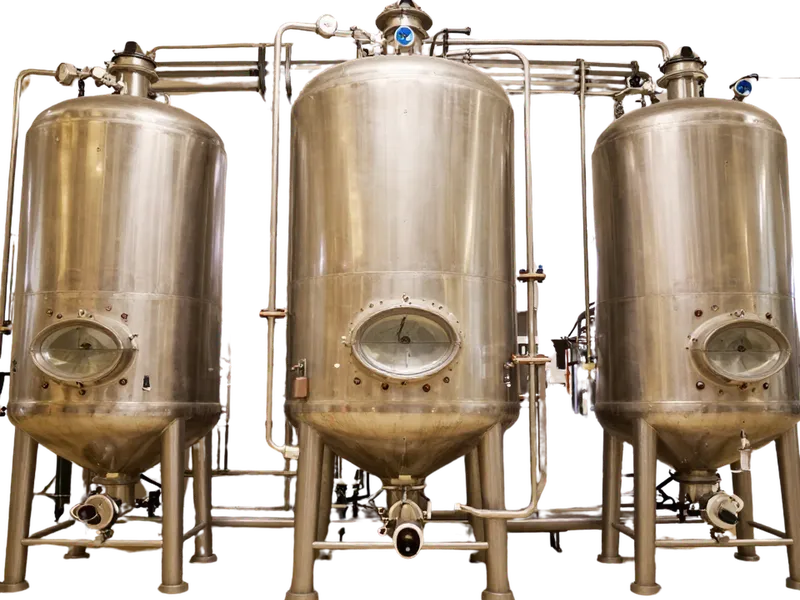
- Where we produce: company-owned fermentation, manufacturing, and storage facilities in Japan and Vietnam
- Proven commercial track record: fish sauce, beverages, agricultural products
About Us
About Us
Aroma Biotech is an emerging agricultural company that develops, manufactures, and markets bio-fertilizers for the multi-billion dollar South East Asia agriculture and aquaculture markets, and the developer of smart soil remediation technology for agriculture markets worldwide.
- Doi Moi campaign. Vietnamese diplomats in Japan called for talented people of Vietnamese origin to come back and develop the country.
- Founded an FDI entity in Vietnam to produce high quality fish sauce as a result of laboratory enzyme research.
- The factory was constructed in Phan Thiet, Vietnam.
- The first batch exported to Japan.
- Okami food industrial prize of Japan.
- Plan to expand the enzyme production industry in Vietnam and cooperate globally by approaching agriculture groups.
The Problem
The Problem
Environmental & Industrial Crisis
-
Soil
Heavy chemical fertilizer use causes degradation, salt agglomeration, reduced microbial activity, and productivity decline over time.
-
Water
Industrial, agricultural, and aquaculture wastewater contaminates ecosystems with toxins, NH3, NO2, H2S, and petroleum.
-
Food
Traditional processing uses excessive salt and harsh chemicals, and produces harmful byproducts such as histamine.
-
Cost
Imported enzymes from the EU are expensive and have a high carbon footprint. Time in transit affects live enzyme quality.
-
Regional results
Enzymes grown in European labs, without adjusting DNA to work on a specific target object, are not as effective as a customized enzyme strain developed by Aroma scientists for each project.
Solutions
Solutions
From Science to Industrial. Local enzyme production in Japan and Vietnam, reducing cost and CO2 footprint. Microbial enzyme formulations that replace chemicals: break down toxins and pollutants, restore natural microbial ecosystems, accelerate natural processes, environmentally sustainable. Full R&D-to-production capability: custom enzymes plus off-the-shelf products. Using modern technology to store valuable enzymes: Master Cells Bank.
- Japan R&D and high-precision production
- Phan Thiet Fermentation, manufacturing, storage
- Imported enzymes from the EU, live product in transit
- 6x Faster soil remediation Compared to conventional methods, as stated by the company.
- 1994 Vietnam operation running since FDI entity founded to produce high quality fish sauce.
What We Do
What We Do
Four service areas, produced from the company's own fermentation and manufacturing facilities in Japan and Vietnam.
-
Soil Remediation
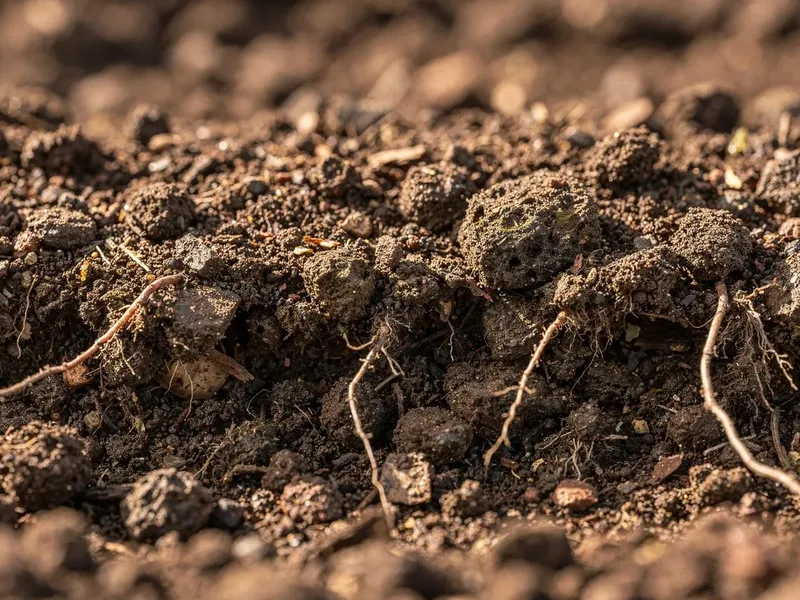
- Decomposes insoluble organic matter, loosens soil
- Balances soil pH, reduces acidity
- Destroys roundworm eggs and fungal spores
- Reduces pests naturally
- Restores microbial ecosystem
- Neutralizes chemical residues from pesticides and agrochemicals
Healthier crops, improved yield and quality. 6x faster remediation time compared to conventional methods.
-
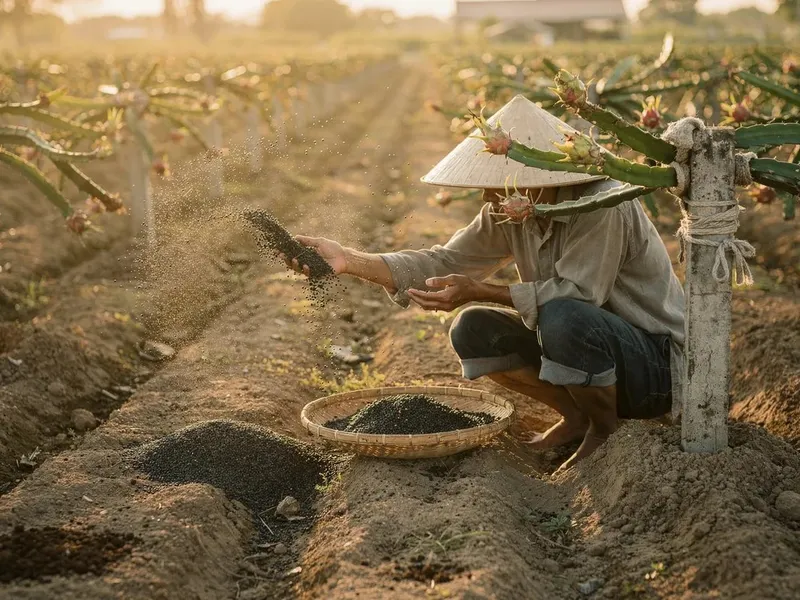
Bio Fertilizer
- Supplies carbon and nitrogen sources
- Promotes microbial growth and soil enzyme activity
- Activates soil phosphorus, improves nutrient absorption
- Expands root foraging scale
- Partial substitute for chemical fertilizers
- Soil amendment agent for damaged soils
- Enhances chlorophyll formation and photosynthesis
- Increases leaf N and P content
Increases yield and quality.
-
Wastewater Treatment
- Waste odor treatment
- Toxic gas elimination in shrimp and fish ponds
- Livestock waste from pig, cow, and chicken farms
- Cassava, rubber, and chemical plant wastewater
NH3, NO2, H2S, and petroleum reduction.
-
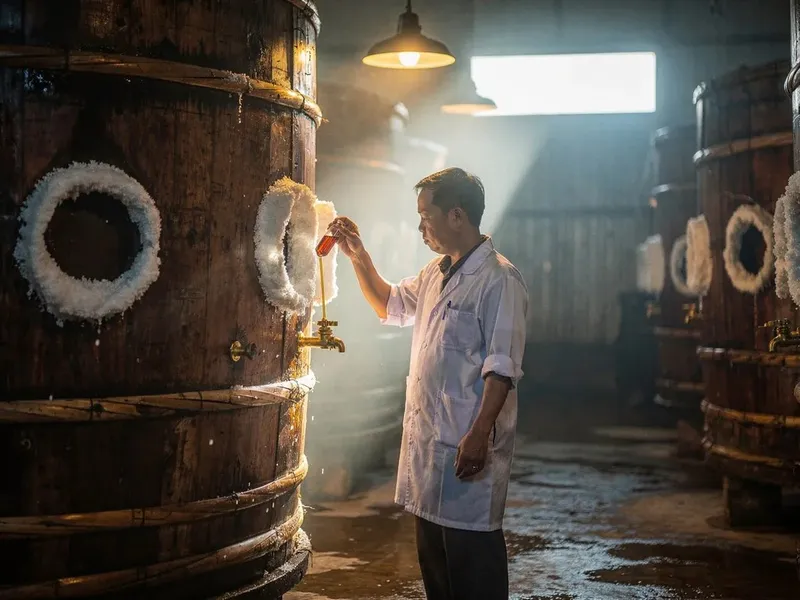
Food & Medical Enzymes
- Okami Food Industrial Prize of Japan (2006)
- Peer-reviewed publications (Can. J. Microbiol. 1981, Nihon Suisangakkai 1986)
- Dr. Miwa, CEO, former Ajinomoto researcher with amino acid fermentation patents
Coenzyme Q10 commercial mass production, premium Aroma fish sauce.
Manufacturing & Infrastructure
Manufacturing & Infrastructure
Our Assets. End-to-end capability, with quality control by pasteurization, microbial testing, and histamine monitoring.
-
R&D
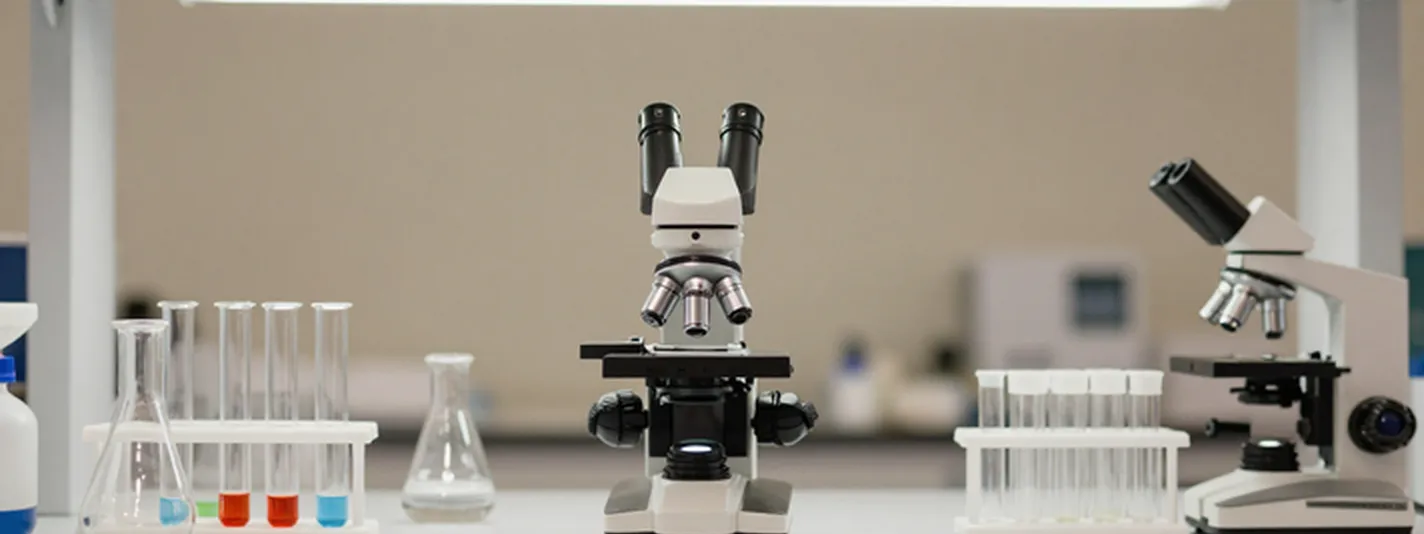
Japan facilities for R&D and high-precision production.
-
Fermentation
Own fermentation and production facilities in Japan and Vietnam.
-
Formulation
Custom enzymes plus off-the-shelf products.
-
Commercialization
Export-ready. First batch exported to Japan in 1998.
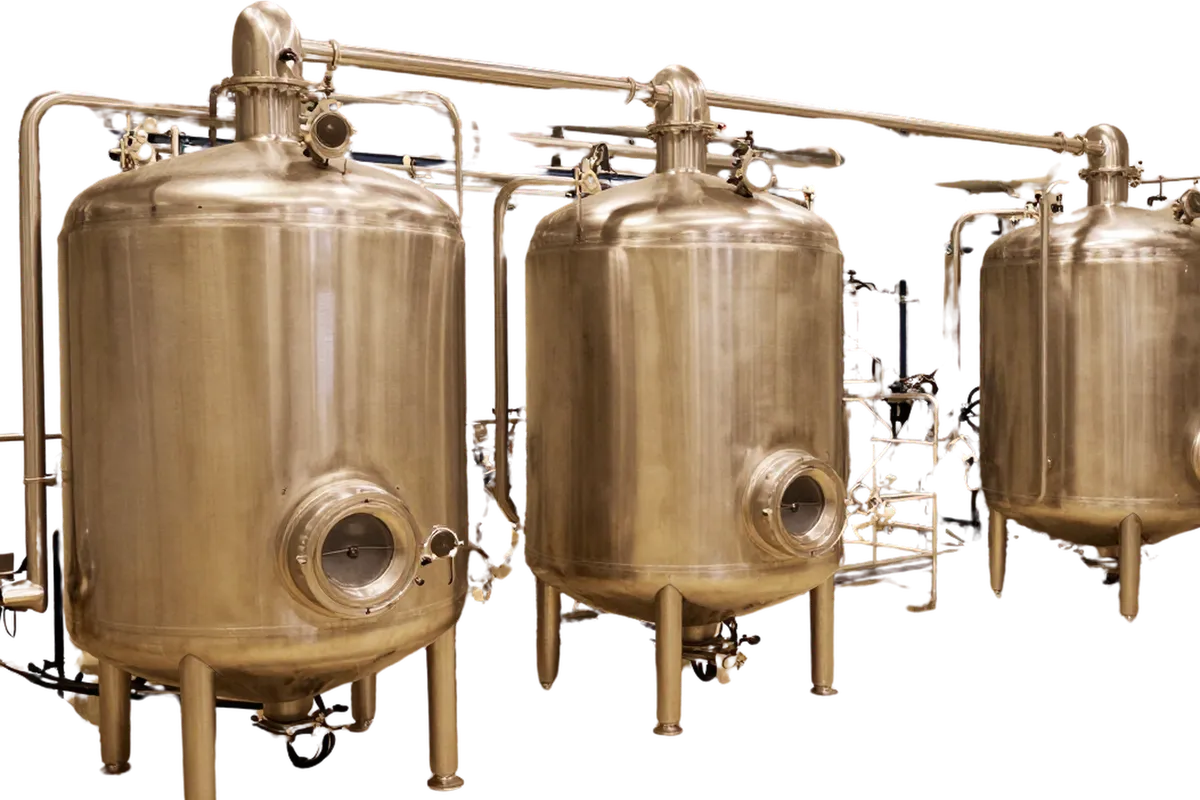
Our Assets
Own fermentation and production facilities
- Own fermentation and production facilities in Japan and Vietnam
- Factory constructed in Phan Thiet, Vietnam, operating since 1994
- Japan facilities for R&D and high-precision production
- End-to-end capability: R&D, fermentation, formulation, commercialization
- Quality control: pasteurization, microbial testing, histamine monitoring
Current application in South East Asia
Current application in South East Asia
Microbial consortia for producing EM, effective microorganism, preparations. Four programmes, each built on a defined set of strains.
-
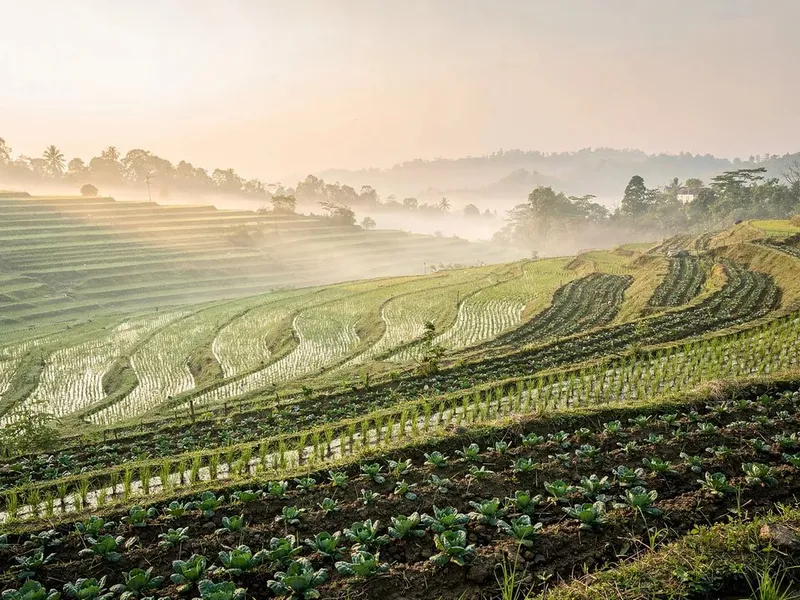
Microorganisms for Crop Cultivation
Trichoderma sp. · Lactobacillus sp. · Penicillium sp. · Aspergillus sp. · Pseudomonas sp. · Bacillus sp. · Streptomyces sp. · Saccharomyces sp.
- Soil improvement for fruit trees, vegetables, and rice
- Prevention and control of pests, diseases, and nematodes in crops
- Composting of cattle, pig, and poultry manure
- Production of microbial organic fertilizer
- Fish protein hydrolysate
Improves and enriches soil nutrients, and decomposes insoluble organic matter into humus, making soil porous and loose so plants absorb nutrients easily. Antagonizes pathogenic bacteria. For rice, it decomposes stubble applied at the beginning of the season into organic fertilizer, significantly reducing greenhouse gas emissions.
-
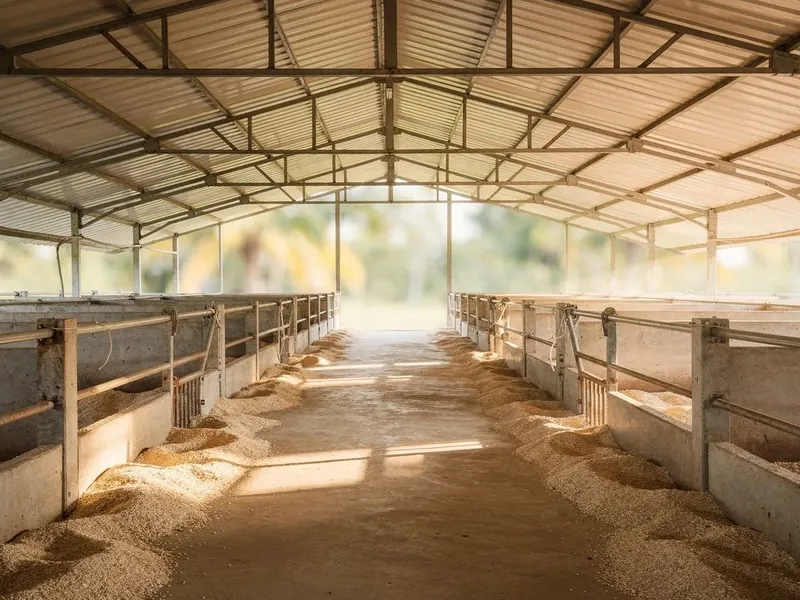
Microorganisms for Livestock Farming
Bacillus sp. · Lactobacillus sp. · Nitrobacter sp. · Nitrosomonas sp. · Saccharomyces sp. · Streptomyces sp. · Aspergillus sp., with solvents and additives
- Odor elimination in barns and facilities
- Wastewater and waste treatment, including toxic gases and toxic substances
- Organic fertilizer meeting standards for crop application
- Feed enzyme supplementation
Eliminates odors in air, wastewater, and waste. Treats hazardous substances, prevents pathogenic bacteria, and improves the digestive system so livestock grow rapidly and healthily. Reduces the greenhouse effect and returns multiple economic benefits.
-
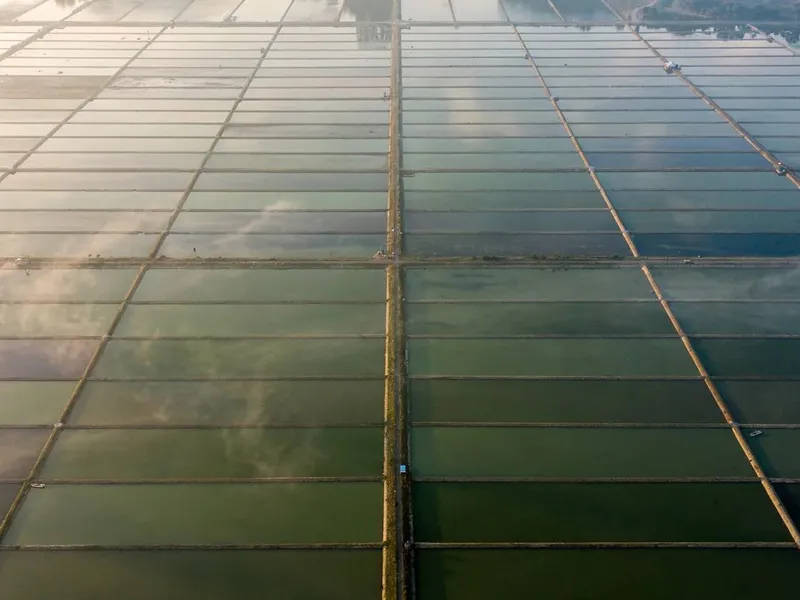
Microorganisms for Shrimp and Fish Farming
Bacillus sp. · Lactobacillus sp. · Rhizopus sp. · Pseudomonas sp. · Aspergillus sp. · Halobacteria sp. · Saccharomyces sp. · Nitrosomonas sp. · Nitrobacter sp. · Rhodopseudomonas sp.
- Treatment of shrimp and fish farming water
- Treatment of pond liner bottoms
- Treatment of wastewater from shrimp and fish ponds
- Feed enzyme supplementation for shrimp and fish
- Decomposition of organic matter, feces, and dead algae
Treats toxins in the aquatic environment and inhibits harmful bacteria. Improves water color, pH, and algae balance, stabilizes the farming environment, enhances trace mineral availability, improves feed absorption, and increases disease resistance in shrimp and fish.
-
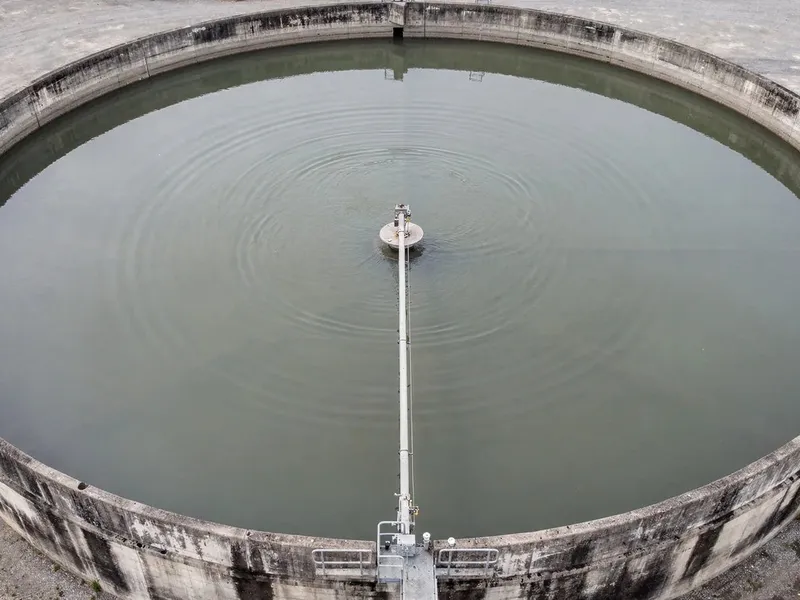
Microorganisms for Environmental Treatment
Bacillus sp. · Lactobacillus sp. · Nitrobacter sp. · Nitrosomonas sp. · Saccharomyces sp. · Streptomyces sp. · Aspergillus sp., with solvents and additives
- Odor elimination from waste
- Wastewater and waste treatment, including toxic substances
- Organic fertilizer meeting good standards for crop application
Eliminates odors in air originating from waste sources and inhibits harmful bacteria in waste and leachate, removing pathogens. Decomposes cellulose, chitin, and lipids, reducing pollutant concentrations in leachate to safe levels, and treats toxic gases and hazardous substances.
Contact
Contact
Aroma Biotech works with agriculture groups, aquaculture and food processors, and distribution partners in Japan, Vietnam, and worldwide. Custom enzyme development starts with the target: the site, the substrate, and the result required.
- Vietnam 98/4 Trần Quý Cáp, Tiến Thành, Lâm Đồng, Vietnam. Fermentation, manufacturing, storage.
- Japan R&D and high-precision production.